October 20, 2026
Planning tree removal involves more than choosing a convenient date. Seasonal conditions, the tree's health, its location, and the urgency of the situation can all affect when removal should take place. Understanding these factors helps property owners determine when to address a tree and what to consider before scheduling the work. Whether a tree is damaged, has outgrown its space, or needs to be removed for other property-related reasons, thoughtful planning can help clarify the next steps.
Important Tree Removal Factors
Consider Seasonal Conditions
The season can influence when tree removal is scheduled and how the work affects the surrounding property. Winter may offer advantages because dormant deciduous trees have less foliage, making their branches and overall structure easier to see. Frozen ground may also help limit disturbance to lawns during tree and stump removal. However, weather conditions and the specific circumstances of the tree should be considered before selecting a removal date. Property owners can discuss seasonal considerations with tree removal businesses when planning a project.
Winter can be a practical time to consider tree and stump removal. With leaves absent from deciduous trees, their branches may be easier to assess when planning the work. Cold weather can also reduce certain pest and disease concerns. However, the appropriate timing depends on the tree's condition, the weather, and the removal. Property owners should weigh these factors when deciding when to schedule service with tree removal businesses.
Weather conditions can affect tree removal planning throughout the year. Rain may leave the ground wet, while storms can create urgent situations involving fallen trees or damaged branches. Property owners should also consider whether a tree's condition requires prompt attention rather than waiting for a preferred season. Signs of damage, disease, or instability warrant an assessment to determine the appropriate next steps. Tree removal businesses can help property owners address the removal project.
Evaluate Tree Health and Stability
A tree's condition is an important consideration when planning removal. Visible damage, unusual changes in foliage, signs of disease, or structural concerns may indicate that further evaluation is needed. These symptoms do not automatically mean a tree must be removed, but they can help identify when professional attention is appropriate. Assessing the tree before scheduling work helps determine whether removal or another form of tree care is the more suitable next step.
Cracks in a trunk, dead branches, or visible structural damage can raise concerns about a tree's condition. Trees with these warning signs should be assessed to determine the level of risk and the appropriate response. Depending on the findings, tree removal may be necessary, particularly when a damaged tree presents a potential hazard to people or nearby property. Promptly addressing these concerns can help property owners make informed decisions about what to do next.
A tree's size, growth pattern, location, and overall condition can all influence whether removal should be considered. Branches or roots that interfere with nearby structures, or a tree that has outgrown its available space, may require closer evaluation. Age alone does not determine whether a tree should be removed. Considering the tree's current condition and its relationship to the surrounding property can help owners decide whether removal is appropriate.
Assess the Surrounding Property
A tree's location is an important consideration when planning removal. Trees growing near homes, driveways, and other property features may require careful planning to account for nearby obstacles and surrounding landscaping. Property owners should identify these considerations when discussing removal so the work can be planned around the conditions at the site. The tree's size and position can also affect the approach needed for the project.
Tree removal can change the appearance and use of a property's outdoor space. Before scheduling work, consider the tree's role in providing shade, its proximity to other plants, and how removing it may change the landscape. When the goal is to address a damaged or unwanted tree, weighing these factors against the property's needs can help clarify whether removal is the appropriate choice.
Property owners should also consider the surrounding landscape before deciding when to remove a tree. Nearby trees, shrubs, and other plantings may influence how the removal affects the property's overall appearance. If there are concerns about local restrictions or protected wildlife, owners should check the applicable requirements before scheduling the work rather than assuming that every tree can be removed at any time. Discussing the site's conditions with tree removal businesses can help clarify project considerations.
Plan Scheduling and Tree Size
The timing of a tree removal project depends in part on the tree's size, condition, location, and the work involved. Removing a large tree may require a different approach from removing a smaller one, while damaged trees may need more immediate attention. Property owners should account for these differences when arranging service. Discussing the tree and its removal with a tree care provider can help clarify the next steps and scheduling considerations.
According to Home Advisor, a small tree might be gone in a few hours, a mid-sized one in half a day, and a giant could keep the crew busy for one to two full workdays. Actual timelines can vary depending on the tree's condition, location, and surrounding obstacles. Property owners should discuss these factors with tree removal businesses when planning their schedules.
Access to the tree and the surrounding work area can also influence removal planning. Narrow access points, nearby structures, landscaping, and other obstacles may affect how a tree can be approached. Property owners should mention these conditions when discussing a removal project so the provider can consider the site's layout and the work required. Large tree removal may involve different planning considerations than smaller projects.
Recognize Urgent Removal Needs
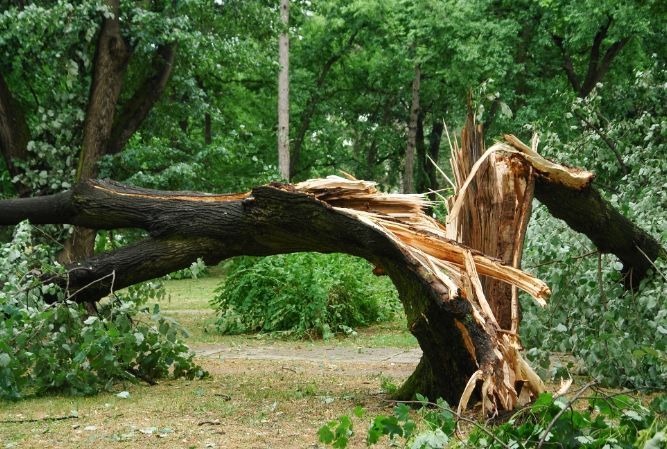
Some tree removal situations require more immediate attention than routine property maintenance. A fallen tree, a large broken branch, or visible splitting in a trunk may create hazards for people or nearby property. Storm damage can also leave trees unstable or obstruct access to parts of a property. When these conditions arise, keep a safe distance from the affected area and arrange an appropriate assessment. Waiting for a preferred season may not be practical when a damaged tree presents an immediate concern.
Not every damaged tree requires removal, but visible structural problems should not be ignored. The appropriate response depends on the tree's condition and the potential hazard. Describing the damage and the tree's location when requesting assistance can help clarify the situation and determine what attention is needed. Tree removal businesses can discuss the circumstances and help property owners understand the next steps for addressing the affected tree.
Consider Removal Scope
The scope of a tree removal project depends on factors such as the tree's size, condition, location, and surrounding obstacles. A large tree near a building may present different planning considerations from a smaller tree in an open area. Property owners should describe the work they need when requesting an estimate and identify any concerns that could affect the project. Understanding the scope of the work makes it easier to discuss the appropriate approach before scheduling begins.
Planning a tree removal project involves considering seasonal conditions, the tree's health and stability, the surrounding property, and the urgency of the situation. While winter may offer advantages for certain removals, damaged or hazardous trees may require attention regardless of the season. Evaluating these factors helps property owners determine when to arrange service and what considerations to discuss before work begins. To learn more about tree removal, stump grinding, and other tree care services in the Wichita area, visit Huff's Tree Service and explore the options for your property.