October 21, 2026
Tree care is not merely a seasonal task but an ongoing commitment that enhances both the aesthetic appeal and ecological balance of your yard. By understanding the significance of long-term tree maintenance, homeowners can ensure that their outdoor spaces not only thrive but also contribute positively to the local environment. Strategic care, including routine tree trimming, emphasizes proactive management practices that support the growth, health, and longevity of your canopy. Incorporating trees into a landscape design involves more than just aesthetic considerations; it requires a comprehensive understanding of tree biology, soil management, and pest control. A well-maintained tree provides shade, improves air quality, and increases property value, making it a worthwhile investment for property owners. Additionally, trees play a crucial role in supporting local wildlife, fostering biodiversity, and mitigating severe weather impacts.
Understand Biological Basics of Tree Growth
Trees undergo distinct biological cycles that rely on essential organic processes to maintain health and vigor. Photosynthesis serves as the fundamental engine of growth, converting sunlight, water, and carbon dioxide into structural energy. This energy fuels the expansion of leaves, stems, and complex root networks throughout every season. Recognizing these basic internal functions enables property owners to support their trees efficiently, ensuring they reach full maturity without unnecessary physical stress. Identifying biological stressors early prevents long-term decline and preserves the overall structural integrity of the plant.
Recognize Seasonal Impacts on Growth
Seasonal changes significantly dictate tree growth, with each distinct time of year bringing unique physiological requirements. Spring sparks rapid cellular expansion that demands abundant soil nutrients, whereas summer calls for consistent watering strategies to combat rapid evaporation. In autumn, foliage begins conserving energy to prepare the trunk and roots for the dormant winter months ahead. According to Home Advisor, you should schedule tree trimming every three to five years to ensure growth and health remain on the right track. Aligning your maintenance schedule with these natural seasonal transitions optimizes tree resilience year-round.
Navigate Specific Age and Maturity Stages
Trees progress through primary life stages that each demand targeted approaches to physical maintenance and support. Young trees require supplemental deep watering and targeted nutrient applications to establish deep, stable root systems. As trees reach full maturity, selective tree trimming becomes vital for managing canopy weight and removing compromised structural limbs. Older specimens often develop increased susceptibility to local pests and wood-decay fungi, making regular health inspections necessary. Tailoring your intervention strategy to the exact age of your trees ensures continuous structural stability.
Analyze Species-Specific Growth Patterns
Different tree species exhibit unique structural habits and growth rates that dictate how they should be managed. Fast-growing species like native willows often require frequent tree trimming to control aggressive canopy spreading, whereas slow-growing oaks need far less physical intervention. Studying these distinct growth habits helps homeowners establish customized schedules that work with, rather than against, natural growth inclinations. Understanding species traits prevents improper cutting practices that might otherwise weaken a tree's primary scaffold branches or overall form.
Avoid Common Maintenance Errors
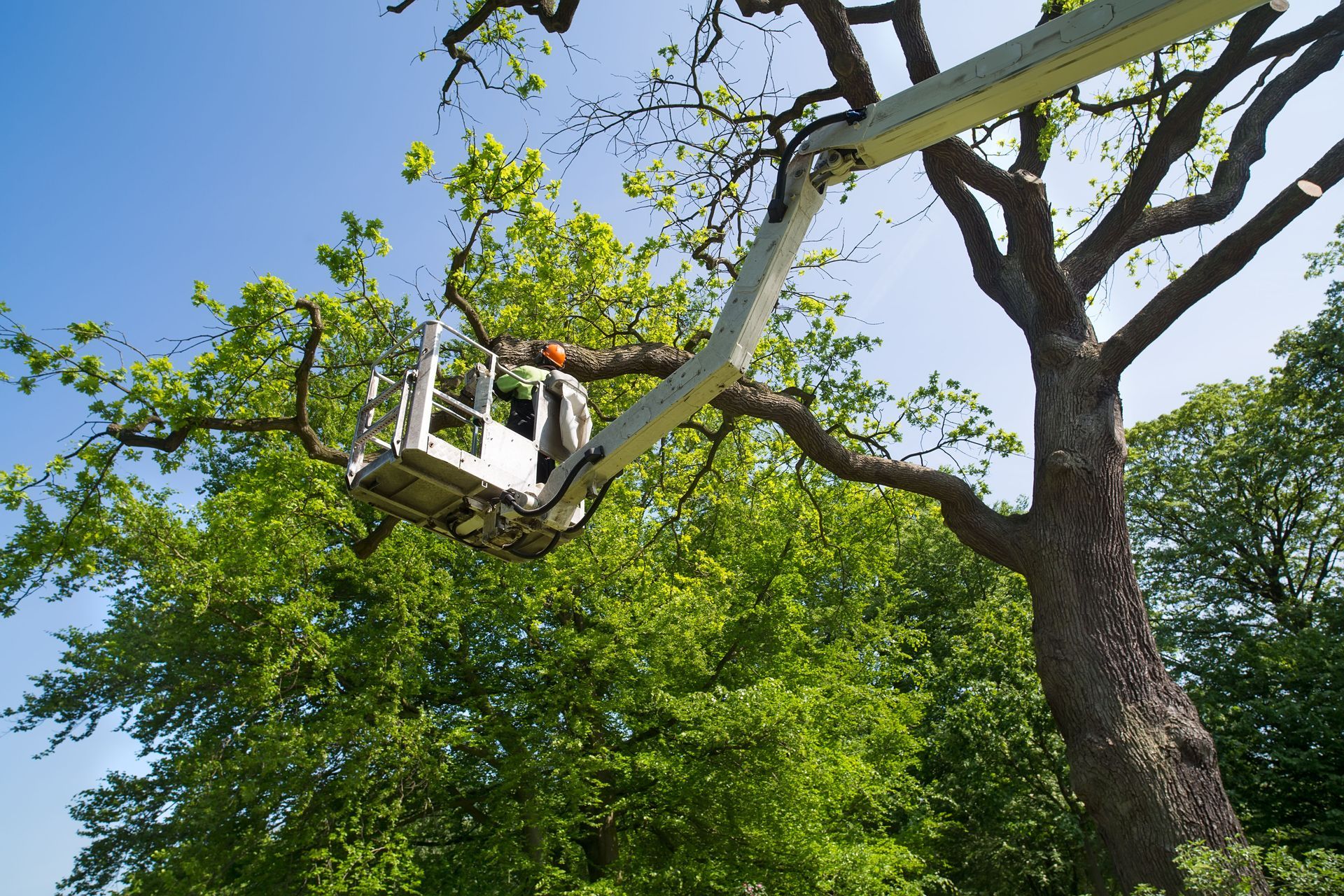
Improper techniques, such as topping trees or flush-cutting branches, cause permanent structural damage and invite decay organisms. Topping removes the main leader stem, inducing weak, hazardous secondary growth that breaks easily during high winds. Leaving long branch stubs prevents proper wound sealing, leaving open gateways for destructive wood-rot fungi. Learning proper tree trimming techniques protects your living investments from avoidable physical trauma.
Balance Natural and Chemical Treatments
Managing pest outbreaks effectively often involves combining beneficial insects with targeted, eco-friendly chemical applications when necessary. Introducing natural predators like ladybugs helps keep aphid populations under control without introducing harsh synthetic chemicals. When chemical intervention is required, systemic treatments applied directly to the root zone minimize drift and protect non-target pollinators. Choosing the least toxic effective solution protects both your trees and the surrounding natural ecosystem.
Revitalize Landscapes Each Spring
Spring heralds rapid biological activation, making it the primary season for evaluating winter damage and applying fresh mulch. Removing excess winter debris and checking structural limbs for ice fractures allows for prompt protective repairs. Applying a balanced, slow-release fertilizer early in the season provides ready nutrients as new buds begin to burst. Early spring tree trimming clears out winter-damaged wood before the tree expends energy on unsalvageable growth.
Protect Trees During Summer Extremes
Summer heat subjects trees to severe moisture stress, requiring deep irrigation techniques that reach deep into the root zone. Applying a three-inch layer of organic mulch around the drip line keeps soil temperatures cool and conserves vital moisture. Monitoring foliage for signs of heat scorch or sudden pest surges allows for immediate corrective watering or shade placement. Consistent summer care ensures trees maintain dense foliage and continuous energy production despite scorching temperatures.
Prepare Tree Systems for Autumn
Autumn care focuses on preparing the root system and structural wood for the impending freeze-thaw cycles of winter. Deeply watering trees before the ground freezes solid ensures roots remain fully hydrated throughout the dormant season. Raking up fallen, diseased leaves prevents overwintering fungal spores from re-infecting new spring foliage next year. Inspecting canopy structures before autumn winds arrive identifies unstable branches that need immediate attention.
Implement Winter Defense Strategies
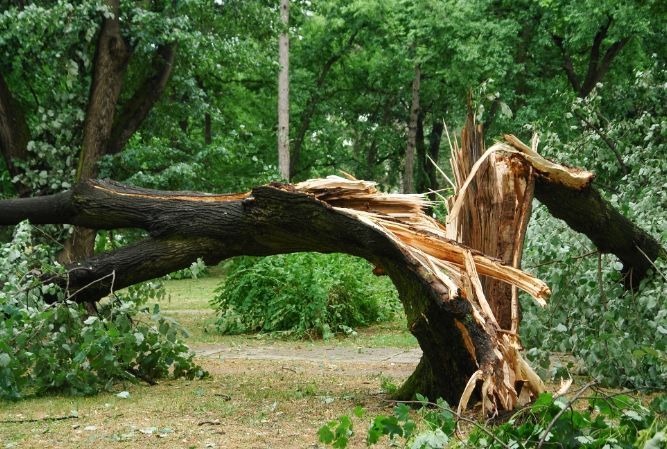
Winter brings heavy snow loads, ice accumulation, and extreme temperature fluctuations that stress exposed wood structures. Wrapping the trunks of young or thin-barked trees protects them from sunscald and frost cracks caused by rapid thermal shifts. Avoid piling rock salt near root zones during driveway de-icing, as excessive sodium severely damages root tissue. Carefully brushing heavy snowfall off evergreen branches prevents catastrophic structural limb breakage during severe storms.
Adapt to Regional Climate Conditions
Adjusting your ongoing management strategy to match regional weather extremes ensures your outdoor space remains green and healthy. Selecting species naturally adapted to local rainfall patterns and soil types minimizes the need for supplemental irrigation. Monitoring regional weather alerts helps you prepare trees for unseasonal freezes, severe droughts, or sudden high-wind events. Tailoring your long-term maintenance routine to local climatic conditions yields a resilient, thriving landscape.
Document Maintenance and Growth
Keeping detailed records of pruning dates, fertilization applications, tree trimming, and pest treatments creates a clear history of your landscape's health. Tracking annual growth patterns helps you evaluate whether specific soil amendments or irrigation changes are yielding positive results. Documentation also provides valuable health records for certified arborists if complex disease issues arise later. Monitoring progress over time ensures your long-term care strategies remain efficient, targeted, and successful.
Strategic tree care involves a holistic approach encompassing biological growth cycles, soil management, pruning, pest control, seasonal strategies, and sustainability planning. These practices ensure that outdoor spaces thrive, contributing to ecological balance, aesthetic value, and property enhancement. By committing to educated, proactive, and tailored approaches, homeowners can maximize the benefits that trees provide. Ultimately, understanding and implementing comprehensive care practices fosters long-term health and vitality in trees, reinforcing their role as central components in thriving landscapes. Through regular attention and investment in tree maintenance, homeowners enjoy the rich rewards of environmentally sustainable and beautiful outdoor environments. With an emphasis on strategic maintenance, outdoor spaces continue to flourish, embodying environmental stewardship and aesthetic excellence. The comprehensive care practices discussed in this article aim to provide a foundation for lifelong management, benefiting both current and future generations. When you need specialized care in Sedgwick and Butler Counties, KS, including large tree specialists, lot clearing, stump grinding, tree and shrub removal, tree removal, or emergency services, turn to the experts. Contact Huff Tree Service today for your free same-day estimates!